ChatGPT Image 13 gen 2026, 16_28_34
BEP

One Health, Global Health, Planetary Health – New Approaches in Emerging Economies

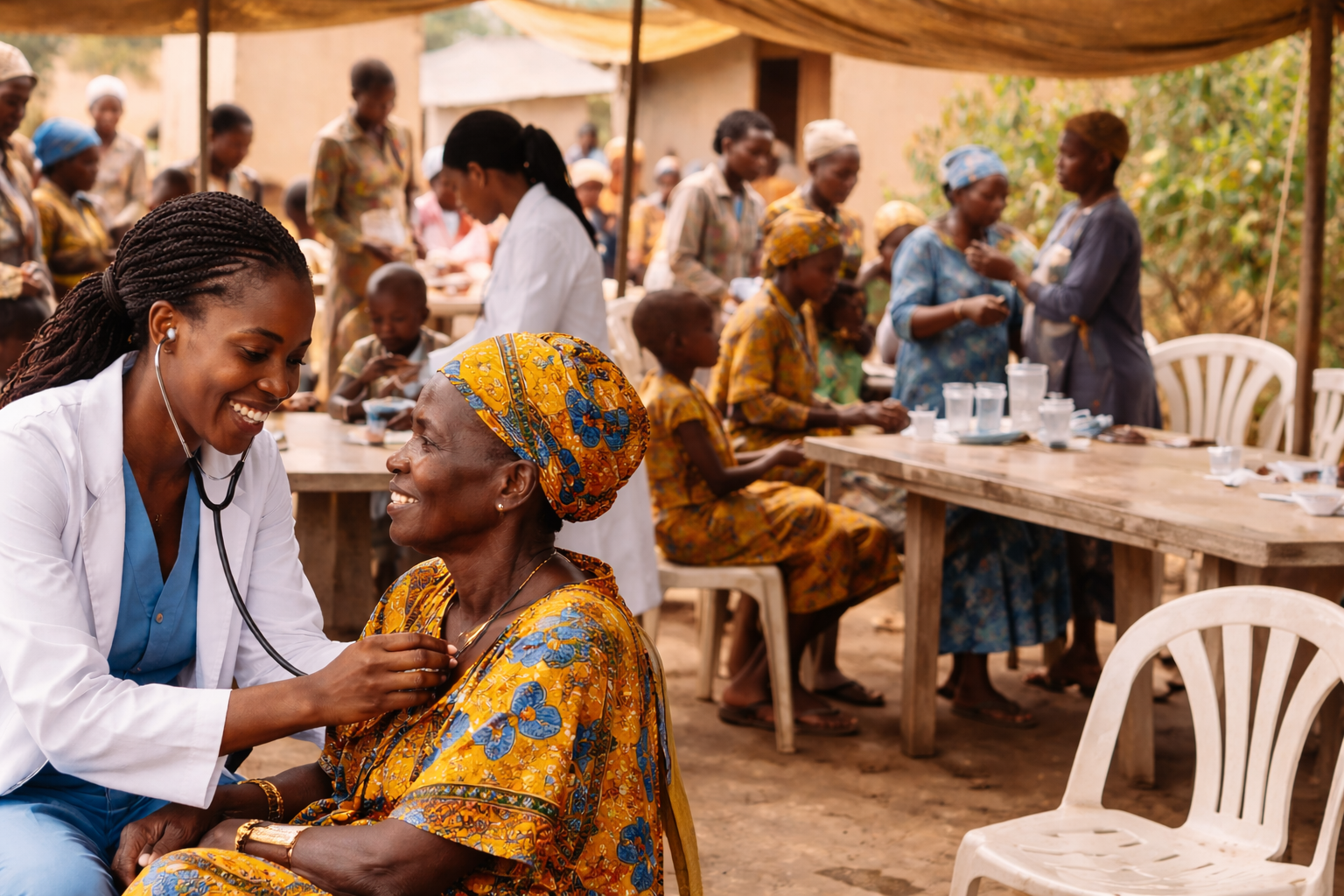
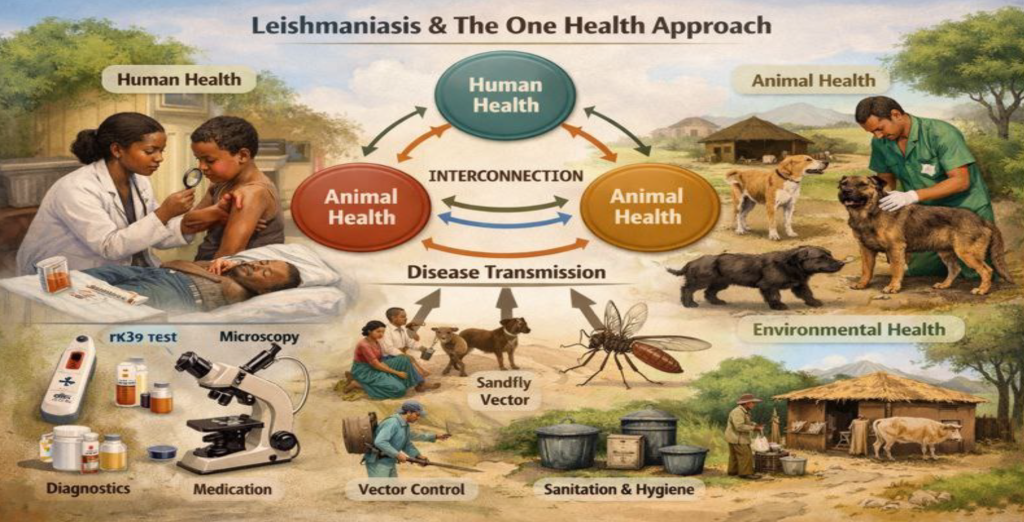
The BEP “One Health, Global Health, Planetary Health – New Approaches in Emerging Economies” started in October 2025 with a series of online lectures delivered by international experts. The program focuses on the wildlife–livestock–human interface and on international surveillance programs, combined with a technical introduction to epidemiological tools. Particular attention was given to key diseases in the African context, including hemorrhagic fevers, echinococcosis, leishmaniasis, and rabies.

The online phase was followed by an in-person training week in December 2025, with a second on-site session scheduled for the end of January 2026. During these intensive weeks, participants worked in groups to simulate the emergence of a specific epidemic (see figure), developing practical and context-appropriate response strategies. The activities fostered strong engagement and proactive participation, and were carried out in close collaboration with local colleagues, who actively contributed to teaching and interactive learning.
0Q7A5563
BEP

Preserving Heritage and Promoting Sustainable Tourism: SHARE_Africa Blended Intensive Programme

Preserving Heritage and Promoting Sustainable Tourism: SHARE_Africa Blended Intensive Programme

Sapienza University of Rome

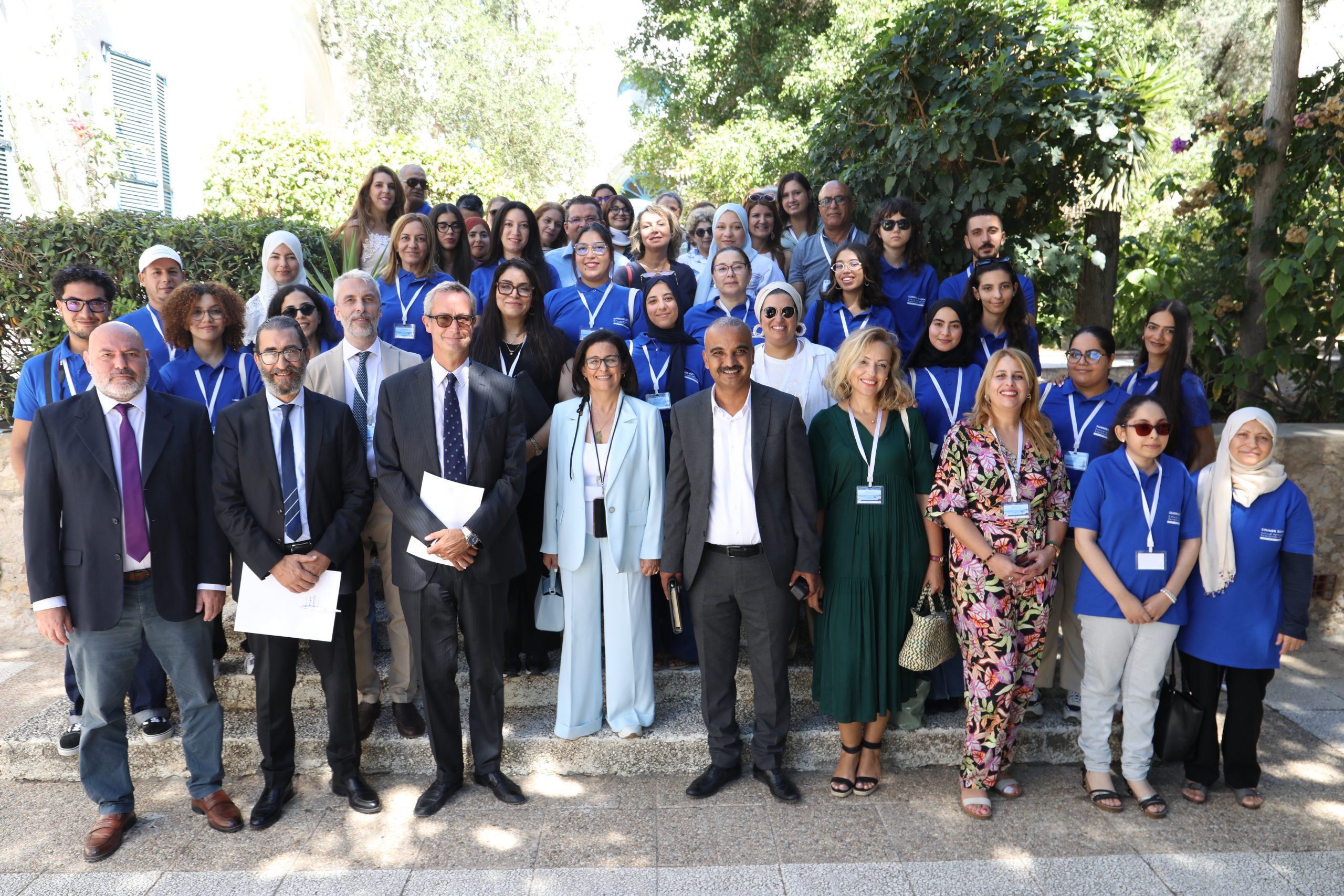
The Blended Intensive Programme (BEP) on “Cultural Heritage and Sustainable Tourism”, part of the SHARE_Africa Project, took place from 8 to 27 September 2025 in Carthage, Tunisia. Organized by Sapienza University of Rome, Department of Ancient Sciences, under the scientific supervision of Prof. Carlo Giovanni Cereti, the programme aimed to develop critical awareness, practical skills, and interdisciplinary expertise for managing and enhancing cultural heritage with a focus on Tunisia and the MENA region.

The course combined online sessions (8–12 September) on cultural geopolitics and project design with two weeks of in-person activities (15–27 September) at CENAFOP, Carthage. Participants, guided by 16 Italian and Tunisian experts, explored conservation, heritage documentation, tangible and intangible heritage, community engagement, communication strategies, and sustainable tourism.

The programme included 27 lectures, two keynote talks by EU Ambassador Giuseppe Perrone and Webber Ndoro (ISESCO), and four thematic site visits in Carthage, Sidi Bou Saïd, La Goulette, and Manouba. Students developed project proposals for protecting, promoting, and enhancing visited sites, culminating in a final visit to Zaghouan and the award of participation certificates.

In collaboration with the University of Manouba – UNESCO Chair for Higher Education for Sustainable Development in Africa, the BEP fostered peer learning, research collaboration, and knowledge transfer, equipping a new generation of professionals to advance sustainable and innovative practices in heritage management and tourism.

Photo 5
BEP

Cultivating and Nurturing the Future: Advanced Training on Sustainable Agri-Food Systems in the SHARE_Africa Project 

Cultivating and Nurturing the Future: Advanced Training on Sustainable Agri-Food Systems in the SHARE_Africa Project

University of Bologna

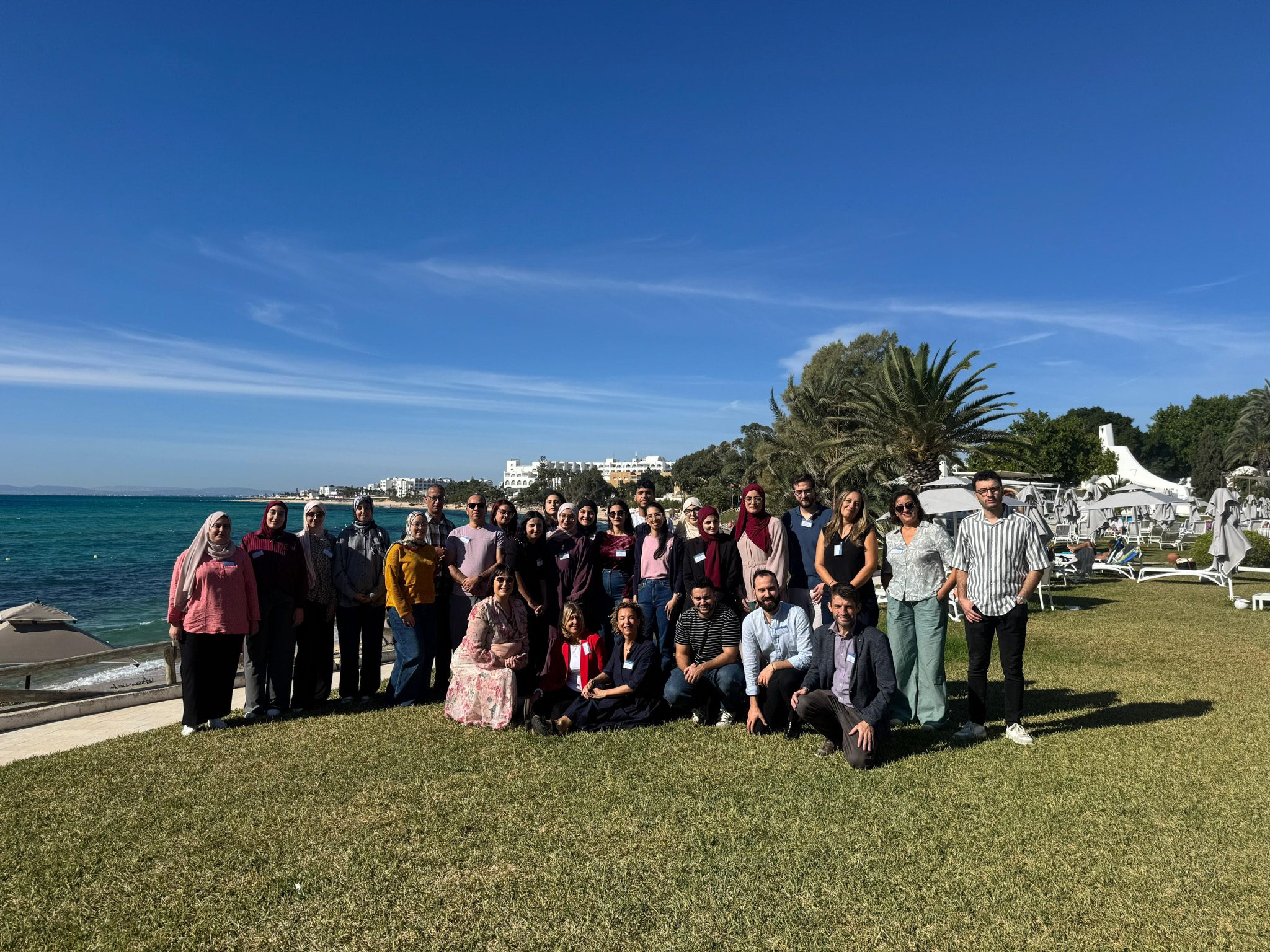
The Executive Blended Intensive Programme on “Precision Agriculture and Sustainable Food”, organized in collaboration with the Université de Tunis El Manar as part of the SHARE_Africa project, successfully concluded on 5 December 2025

The programme brought together graduates, early-career researchers, academic staff, and young public officers from across North Africa, offering an advanced training pathway focused on sustainable, efficient, and modern agri-food systems. Through a combination of online classes (3–27 November) and in-person sessions in Hammamet (28–31 October and 2–5 December), participants explored the key challenges and opportunities shaping the future of the agri-food sector in the North African region. 

The course provided cutting-edge insights into precision agriculture, sustainable food and crop production, and agricultural economics, supported by practical case studies on the supply chains of strategic food products such as olive oil, citrus, and wheat. With a total commitment of around 500 hours, including group work and independent study, participants gained concrete tools to analyse and tackle the complexities of contemporary agri-food systems. 

Teaching was delivered by a team of experts from the Alma Mater Studiorum – University of Bologna and several North African universities and research centres. Among the UniBo faculty was Prof. Enrico Valli, serving as programme coordinator, along with other researchers contributing to the scientific and methodological aspects of the course. The multidisciplinary faculty ensured a rich exchange of perspectives, enhancing both the academic depth and regional relevance of the training. 

Beyond its educational impact, the course fostered research collaboration, peer learning, and knowledge transfer, empowering a new generation of professionals committed to advancing sustainable, resilient, efficient, and innovative agri-food practices across North Africa.

BEP_Polimi
BEP

Strategic Energy Planning & Industrial Ecology — Blended Executive Programme

Strategic Energy Planning & Industrial Ecology — Blended Executive Programme

Politecnico di Milano, Department of Energy

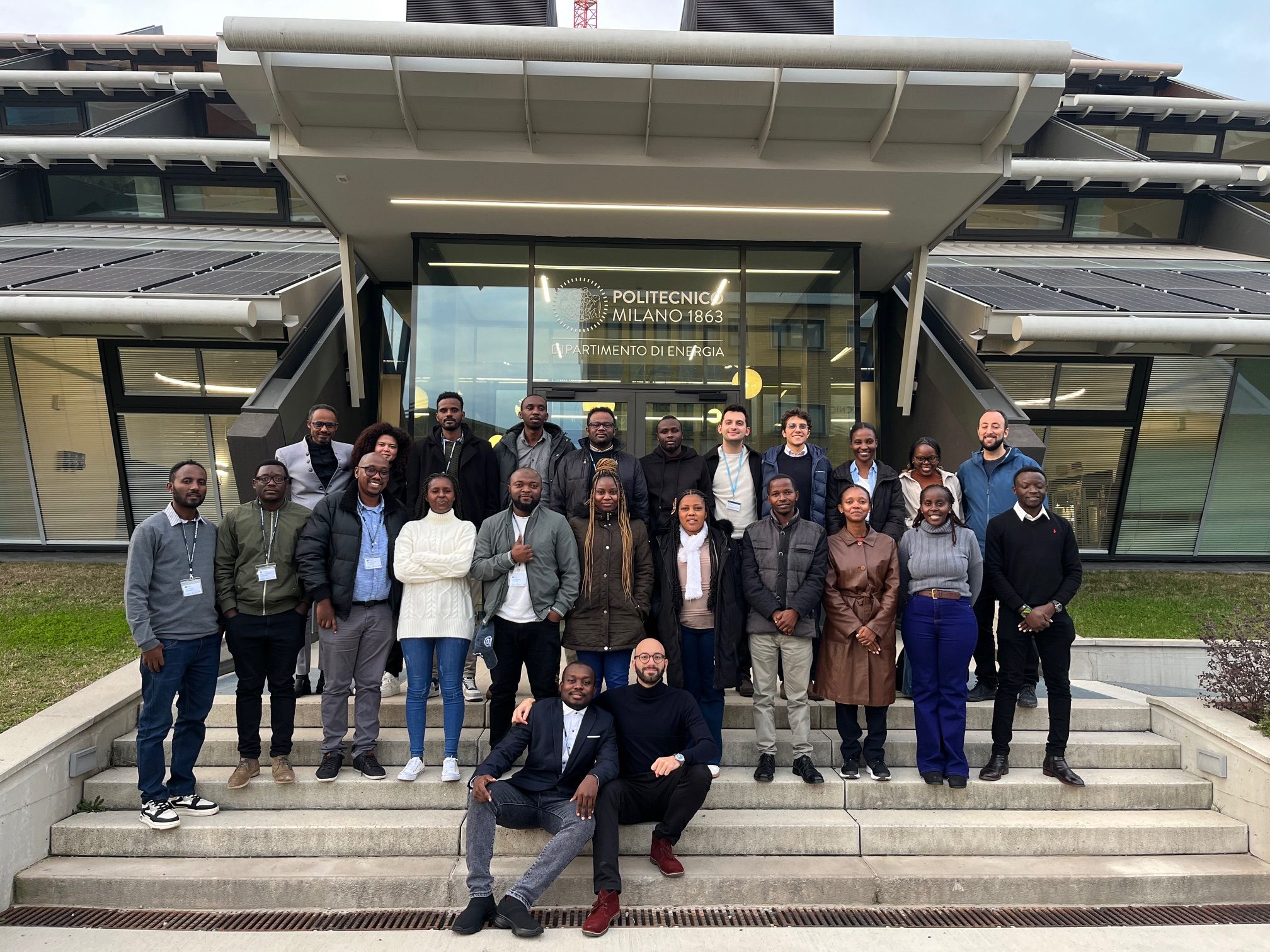
From 5 to 21 November 2025, the EN:lab building at Politecnico di Milano welcomed 23 international professionals — academics, researchers, and African experts — for the on-campus phase of the Blended Executive Programme (BEP) Strategic Energy Planning and Industrial Ecology for Local Sustainable and Just Development in an Era of Geopolitical Uncertainties. The programme, part of the SHARE_Africa project promoted by the IHEA Foundation, acts as a bridge between Italian and African higher education, aiming to foster a new model of cooperation based on science, research, and education.

A Diverse and Collaborative Community

Participants come from Kenya, Ethiopia, Tanzania, and Algeria, bringing together diverse academic and professional backgrounds. This mix of expertise enables the exchange of knowledge and the development of solutions tailored to sustainable local development.

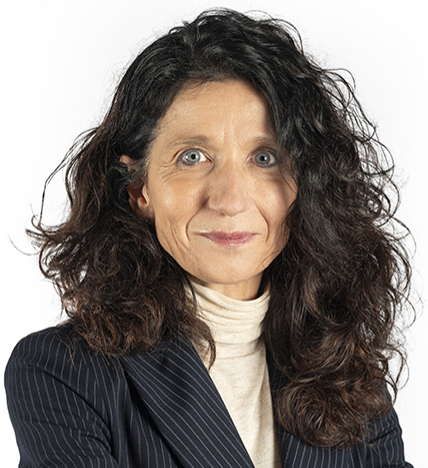
As Prof. Emanuela Colombo from the Department of Energy and member of the SHARE_Africa Scientific Committee notes:

“The approach adopted is that of true mutual learning: a process in which different skills and perspectives come together, generating shared knowledge and fairer solutions for sustainable development.”
Emanuela Colombo
Department of Energy - Polimi

Hands-On Learning and Project Work

During the on-campus phase, participants worked in multidisciplinary teams on ambitious projects, such as designing mini-grids for rural, non-electrified areas in Ethiopia, Kenya, and Tanzania. They integrated energy modelling with economic analysis and presented their results at the end of the programme — a practical exercise in collaboration, knowledge exchange, and real-world problem solving.

Continuing the Journey

The BEP continues beyond the classroom. From December 2025 to February 2026, participants will complete online MOOC modules to consolidate their skills and prepare for future collaborations, including joint research initiatives, laboratories, and educational programs.

SHARE_Africa positions Africa at the heart of the global energy transition, fostering long-lasting partnerships between Italy and African countries based on trust, expertise, and sustainability.

_DSC1576
BEP

Inauguration of the BEP on Innovative Technologies for Sustainable Water Management

Bridging Innovation and Sustainability: New Executive Programme on Water Management Launched in Tunis

University of Naples Federico II

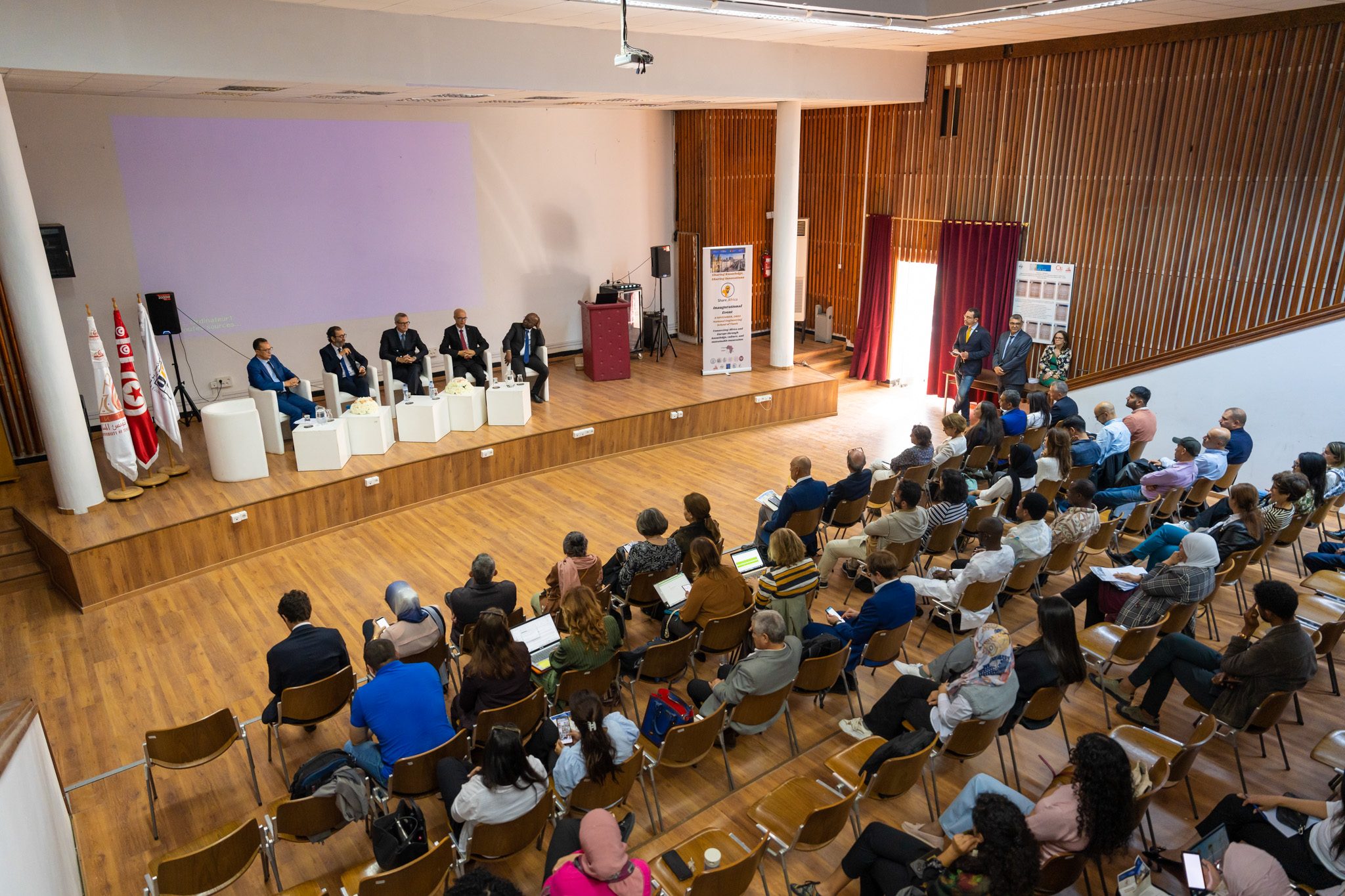
On November 3rd, we officially launched the Blended Executive Programme (BEP) on Innovative Technologies for Sustainable Water Management, organized within the Share_Africa project in collaboration with Italian and Tunisian authorities.

The opening ceremony took place at the École Nationale d’Ingénieurs de Tunis (ENIT), with the participation of H.E. Alessandro Prunas, Italian Ambassador to Tunis, together with representatives from Tunisian universities and the IHEA Foundation.

This programme unites experts and academics from Italy and Tunisia to promote capacity building, innovation, and sustainable water management across the Mediterranean and African regions.

Proud to contribute to strengthening cooperation between Africa and Italy through science, education, and technology.

#Share_Africa #WaterManagement #Innovation #Education #Sustainability #Cooperation